
Context & Problem
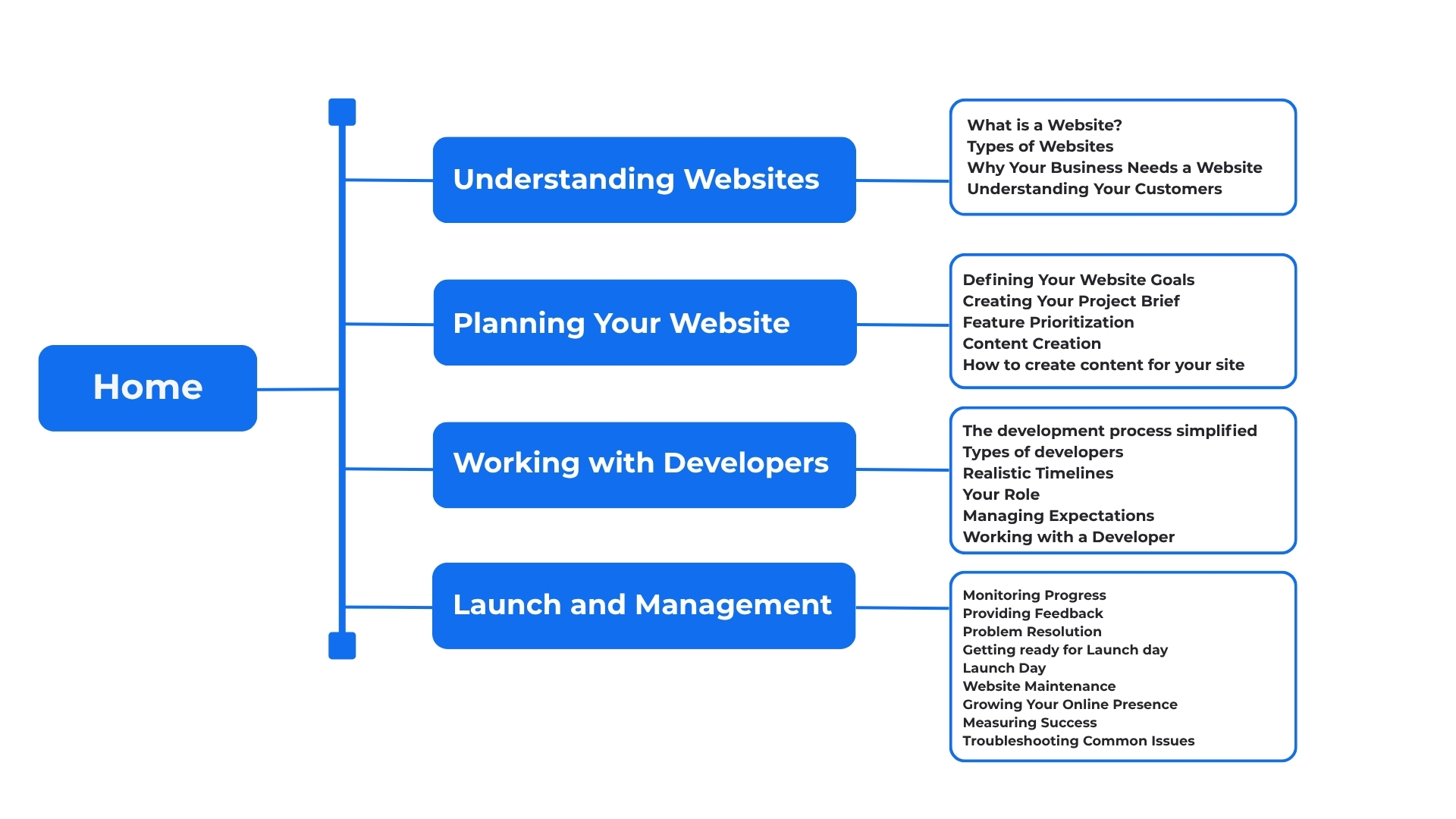
Create a website that serves as an educational tool for web development clients, with the aim of eliminating their anxieties and reservations about a development project. It should also help them understand their role in the process and empower them to carry out the project. In addition, the project is expected to serve as a bridge that improves communication between the parties and demystifies false beliefs about the process.
My role
This project began as my graduation project for my Master's Degree in Web Design and Content Planning, and I have continued because it is a subject I am passionate about. I have been responsible for the conceptualisation, research, development, implementation, promotion, and analysis of this project.
Challenges & Development
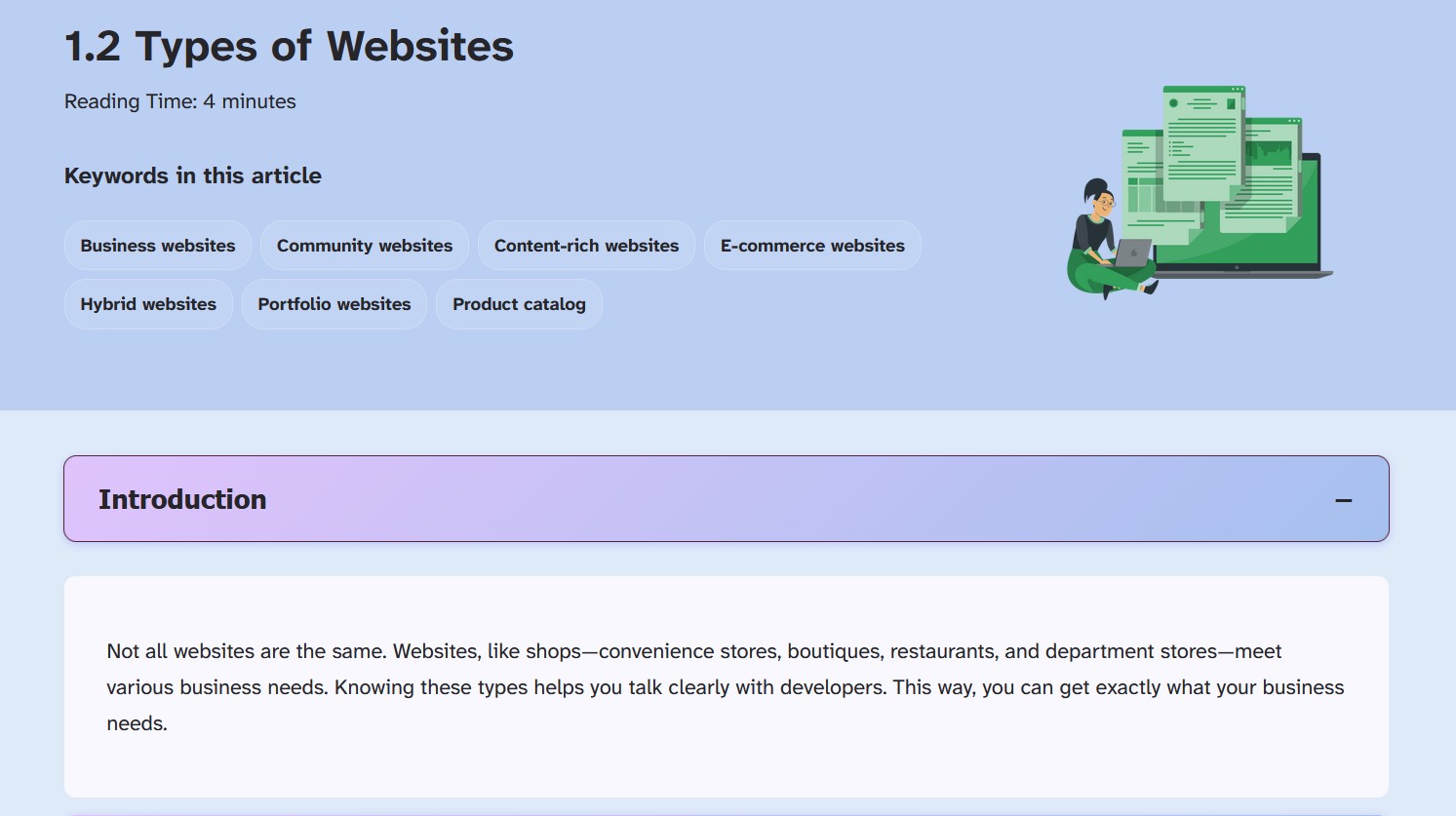
The implementation phase presented significant challenges, especially during content creation. This stage proved to be the most solid and slowest, as it took three and a half months to produce 25 articles. The initial obstacle was facing the blank page and realising that knowledge of the development process was still very superficial and not deep enough to really contribute to customer learning.
This led to countless hours of searching for articles, books, and videos on each topic, exhaustive reading, and filtering through all this material to select what was truly relevant to customers. Once the research was complete, the writing process revealed additional obstacles. The first article showed a tendency to use too many examples, constantly repeat ideas, and mix in topics that would be covered later. This resulted in each article having up to five different versions before reaching an acceptable state.
The website programming phase presented major challenges, especially since I had never developed a WordPress theme before. Learning how WordPress works, including file structure and connections, became the top priority. An important lesson was discovering the combination of HTML and PHP on each page of the code, understanding that adding divs and classes around PHP functions creates the desired layouts.
Implementing the glossary proved particularly complex. Although initially thought impossible without a plugin, extensive research revealed complete code examples that aided in its development. This required studying the PHP code, understanding its functionality, and adapting it by changing class names to improve relevance. The creation of a second search bar specific to glossary items introduced JavaScript into the mix, which posed a new challenge given limited familiarity with JS.
Accessibility proved to be one of the most complicated aspects of putting theory into practice. Beyond basic elements such as header structure and alternative text for images, the accordion system created significant obstacles. The decision to present content in accordions required programming a keyboard-accessible toggle system, which involved the use of PHP regex functions. By combining ideas seen online, a functional, albeit imperfect, version was achieved: the toggle sometimes does not open with the mouse. In addition, the functions and attributes necessary for assistive programmes are still pending.
Results
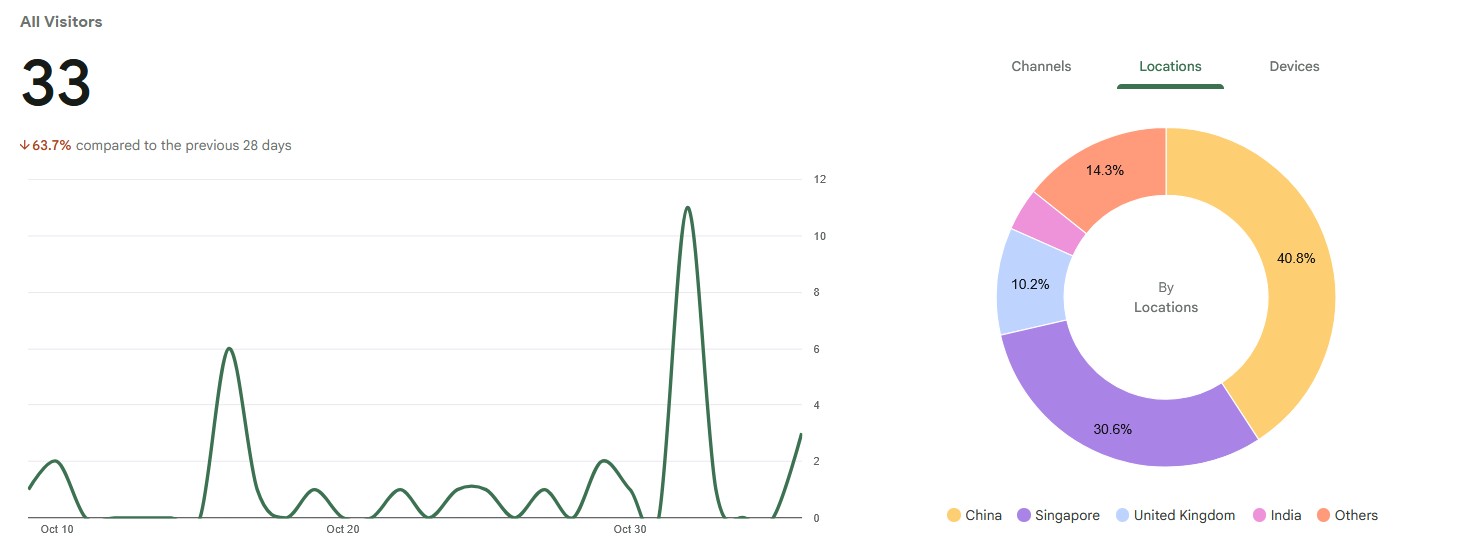
After 28 days of operation, the website generated initial data that provided information about its performance. The site received 51 visits, with direct traffic via the URL accounting for 96% of visits. Geographically, traffic was distributed as follows: 50% from the United Kingdom, 30.8% from Costa Rica, 11.5% from the United States, and 5.8% from China. Access patterns reflected global trends: 57.7% from mobile devices, 38.8% from computers, and 4% from tablets.
The analysis revealed important areas for improvement. Google's PageSpeed Insights indicated very low performance levels, especially on mobile devices, which is critical given that most users access the site via these devices. Desktop performance showed better results, but there is still room for optimisation.
Accessibility analysis conducted with Skynet Technologies USA LLC's free website accessibility checker confirmed that WebPath has significant room for improvement. Although the site is on track to achieve AA accessibility level according to WCAG guidelines, the absence of necessary features and attributes in the code remains a known issue that requires attention.
Despite these challenges, the first phase of the project is considered satisfactory, especially in terms of learning outcomes. WebPath still has a long way to go, with necessary design tweaks, bug fixes, opportunities for organic search growth, and full AA accessibility compliance. Content expansion remains an ongoing opportunity, with topics such as fair pricing and prepared checklists flagged for future development. As the web industry continues to evolve, new topics will always emerge, ensuring that WebPath remains a living, growing resource.